Mabry Landor: fighting for justice
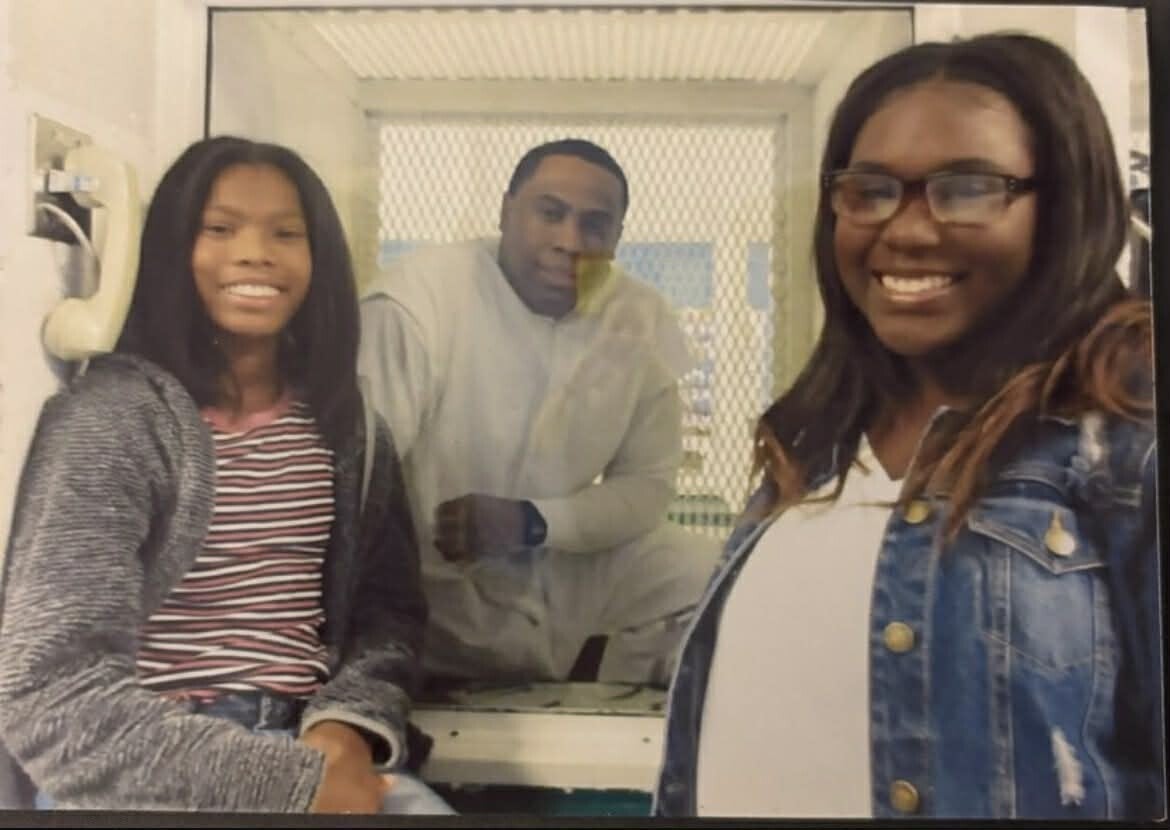
More than a case: Mabry the father, son and brother
Mabry Joseph Landor was born on August 31st 1980 in Houston, Texas, a place he still feels a deep bond with until today. He is a loving and devoted father of three children and remains deeply concerned about his mom's well-being, especially after the passing of his father.
Mabry Landor was sentenced to death in connection with the 2008 shooting of a Houston police officer. He does not deny running from police that day but he maintains he did not kill officer Abernethy - and that key evidence used to convict him was flawed, withheld or unreliable.
His case raises serious legal questions. including:
- Conflicting eyewitness statements
- Allegations of suppressed evidence ( Brady claim)
- Claims that false testimony was presented ( Napue issue)
- A disputed confession recorded only partially during a five-hour interrogation
- Questions about forensic evidence, including gunshot residue
- Concerns about judicial bias
Mabry is currently pursuing relief through the courts based on constitutional violations tied to withheld and misleading evidence.

Summary of exculpatory evidence and legal issues
The case against Mabry Joseph Landor III relied heavily on limited and disputed evidence. The following issues form the basis of his ongoing legal challenges:
1. CONFLICTING EYEWITNESS ACCOUNTS
The primary eyewitness described the shooter in ways that did not consistently match Mabry Landor's appearance. Additionally, prior statements made to detectives differed from testimony given at trial. The defense argues that these inconsistencies were not fully and fairly presented to the jury.
2.WITHHELD PHOTO ARRAY RECORDING
A videotaped identification procedure involving another witness was not disclosed at trial. In that recording, the witness did not identify Mabry Landor as the shooter and signed off on the photo array. This evidence is central to the current Brady claim.
3.DISPUTED CONFESSION
Only 20 minutes of a nearly five-hour lasting interrogation were recorded. The recorded statement included details that conflicted with the forensic findings, including ballistic evidence. The defense argues the statement was unreliable and given under psychological pressure.
4. BALLISTICS AND FORENSIC INCONSISTENCIES
Statements attributed to Mabry Landor regarding the caliber of the firearm did not match the forensic determination. Additionally, the trajectory evidence presented at trial has been cited in post-conviction filings as inconsistent with the narrative described in the recorded statement.
5. GUNSHOT RESIDUE (GSR) EVIDENCE
Gunshot residue was reportedly found on the exterior door of a vehicle, but testing of Mabry Landor's hands was inconclusive, and no residue was found on his clothing. The state's own expert testified that GSR can be transferred through secondary contact, raising questions about the weight of that evidence.
6. JUDICIAL CONDUCT CONCERNS
Years after the trial, the presiding judge resigned following public controversy over racially charged remarks. While not part of the original trial record, this development has raised broader concerns about impartiality.
"Mabry Landor is innocent. This case demands careful review and full public attention. When a life is at stake, conflicting testimony, incomplete recordings and withheld evidence cannot be ignored."
The Free Mabry Landor movement
Create Your Own Website With Webador